
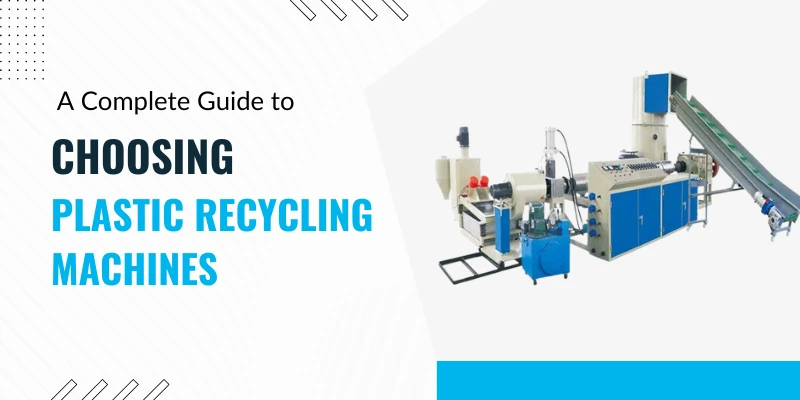
Recycling plastic is essential for reducing waste and protecting the environment. Whether you are starting a plastic recycling business or upgrading your equipment, choosing the right plastic recycling machines is crucial. The right machines can improve efficiency, reduce costs, and ensure high-quality recycled plastic. Here’s a simple guide to help you select the best plastic recycling machines for your needs.
1. Understand Your Recycling Needs
Before selecting a machine, determine what type of plastic waste you will be processing. Different plastics require different recycling techniques. Common plastic types include:
- PET (Polyethylene Terephthalate) – Used in bottles and containers.
- HDPE (High-Density Polyethylene) – Found in pipes, detergent bottles, and toys.
- LDPE (Low-Density Polyethylene) – Used for plastic bags and flexible packaging.
- PP (Polypropylene) – Found in food containers and furniture.
- PVC (Polyvinyl Chloride) – Used in pipes and flooring.
- PS (Polystyrene) – Found in disposable cutlery and foam products.
Identifying the type of plastic you plan to recycle will help you choose the right equipment.
2. Types of Plastic Recycling Machines
There are various machines used in plastic recycling, each serving a specific function. Some key machines include:
Shredders & Granulators
These machines break down plastic waste into smaller pieces for easier processing. Granulators further refine shredded plastic into uniform particles for better melting and moulding.
Washing & Drying Systems
Plastic waste often contains dirt, labels, and other contaminants. Washing systems remove these impurities while drying systems ensure the material is moisture-free before further processing.
Extruders & Pelletizers
Extruders melt and reshape plastic waste into long strands, which are then cut into small pellets using pelletizers. These pellets serve as raw materials for making new plastic products.
Agglomerators
For lightweight plastic films and bags, agglomerators compress and heat them into denser materials, making them easier to process in extrusion machines.
3. Machine Capacity & Output
The size and production capacity of the machine are important factors. Consider the amount of plastic waste you process daily and choose a machine that can handle your workload efficiently. Machines come in different capacities, from small-scale units for startups to high-capacity industrial models.
4. Energy Efficiency & Operating Costs
Recycling machines consume energy, so selecting energy-efficient models can reduce electricity costs. Look for machines with:
- Low power consumption.
- Automated features that minimize manual work.
- Efficient heating systems to optimize melting processes.
Operating costs, including maintenance, spare parts, and labor, should also be considered when choosing a machine.
5. Ease of Use & Maintenance
User-friendly machines help reduce downtime and improve productivity. Look for features like:
- Simple control panels for easy operation.
- Quick-change blades in shredders for fast maintenance.
- Automated cleaning systems in washing units to reduce manual work.
- Easily accessible parts for quick servicing.
A well-maintained machine lasts longer and operates more efficiently, so ensure spare parts and technical support are available from the manufacturer.
6. Quality & Durability
Investing in high-quality machines ensures long-term efficiency. Check the material and build quality of the machine. Stainless steel components are ideal for preventing corrosion in washing systems. Strong, durable shredders and extruders reduce breakdowns and maintenance costs.
7. Compliance with Safety & Environmental Standards
Recycling machines should meet industry safety and environmental regulations. Look for:
- CE certification (for European standards).
- ISO certification (for quality management).
- Environmental compliance to ensure eco-friendly operations.
Ensuring compliance helps avoid legal issues and enhances workplace safety.
8. Budget & Return on Investment (ROI)
Plastic recycling machines come at different price points. While budget is a key factor, choosing a machine based solely on price may not be ideal. Consider:
- Initial cost vs. long-term benefits – A cheaper machine may require frequent repairs.
- Production capacity – Higher output machines may provide better ROI.
- Energy efficiency – Lower electricity consumption saves money over time.
Calculate how long it will take to recover your investment through operational savings and profits.
9. Customization Options
Some recycling machines offer customization based on specific requirements. If your operation involves unique plastic materials or a specialized recycling process, check if the manufacturer can tailor the machine accordingly.
10. Choose a Reliable Manufacturer
Selecting the right plastic recycling machine manufacturer is crucial for quality, efficiency, and long-term support. Here’s what to consider:
- Industry Experience: Choose a manufacturer with years of expertise and a strong track record in the plastic recycling industry.
- Customer Reviews & Reputation: Check testimonials, ratings, and feedback from existing clients to assess machine performance and reliability.
- After-Sales Support & Warranty: Ensure they offer technical assistance, operator training, and a solid warranty to minimize downtime.
- Availability of Spare Parts: A reliable manufacturer provides readily available spare parts for easy maintenance and reduced disruptions.
- Technology & Innovation: Look for manufacturers using advanced, energy-efficient, and automated solutions to enhance productivity.
By evaluating these factors, you can select a trusted plastic recycling machine manufacturer that delivers high-performance equipment, strong support, and long-term reliability, ensuring seamless recycling operations.
Conclusion
Selecting the right plastic recycling machine involves considering multiple factors, from the type of plastic and machine capacity to energy efficiency and budget. By understanding your recycling needs and investing in quality equipment from a reputable manufacturer, you can enhance productivity, reduce costs, and contribute to sustainable plastic waste management. Whether you are running a small recycling unit or a large industrial plant, the right machine will make a significant difference in your operations.