
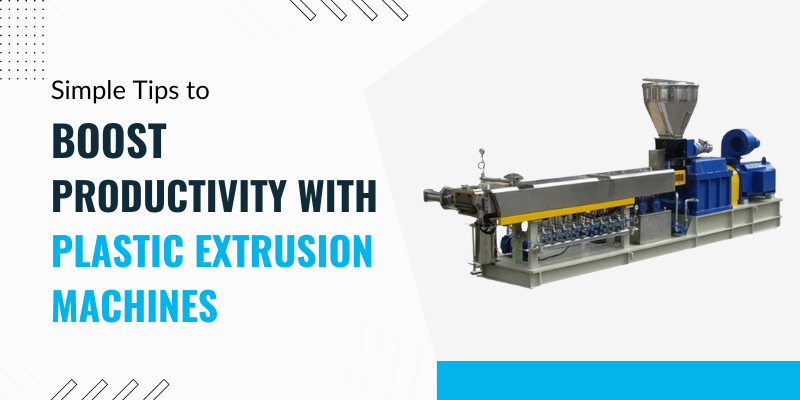
Plastic extrusion is a key manufacturing process used to produce pipes, sheets, films, and other plastic products. Optimizing production involves selecting high-performance equipment, maintaining proper temperature control, using quality raw materials, and integrating automation. Regular maintenance, operator training, and stringent quality checks further enhance productivity. By implementing these strategies, manufacturers can reduce waste, improve output consistency, and achieve cost-effective operations. Working with a trusted plastic extruder machine manufacturer ensures reliable machinery that supports seamless and efficient plastic extrusion processes.
1. Choose the Right Extrusion Machine
Selecting the appropriate extrusion machine is the first step toward improving productivity. Consider factors such as material type, production volume, and the final product’s specifications. Single-screw extruders are ideal for simpler applications, while twin-screw extruders offer better mixing and higher output for complex processes.
2. Maintain Optimal Operating Conditions
To ensure consistent production, your machine must operate under optimal conditions. Maintain the correct temperature, pressure, and screw speed for the materials being processed. Any fluctuations in these parameters can lead to defects, wasted material, and downtime.
3. Use High-Quality Raw Materials
The quality of raw materials directly impacts the efficiency and consistency of the extrusion process. Using low-quality plastic resins can result in frequent blockages, uneven output, and increased machine wear. Invest in high-quality resins and additives to improve overall performance.
4. Regular Maintenance and Cleaning
Routine maintenance prevents unexpected breakdowns and extends the lifespan of your machine. Clean the barrel, screw, and die regularly to avoid buildup that could lead to poor extrusion quality. Lubricate moving parts and check for wear and tear to prevent costly repairs.
5. Monitor and Control the Cooling Process
The cooling stage is crucial in determining the final product’s strength and appearance. Ensure that the cooling system, whether water baths or air-cooling units, is functioning efficiently. Proper cooling prevents warping, shrinkage, or deformities, leading to fewer rejected products.
6. Optimize Screw Design and Speed
The screw plays a vital role in melting and mixing plastic materials. Selecting the right screw design for your specific application can enhance productivity. Adjusting the screw speed can also help achieve uniform melting and avoid overheating, which can degrade material properties.
7. Automate Where Possible
Automation can make work faster and cut down the need for manual effort. Consider using automatic feeders, melt pressure sensors, and real-time monitoring systems to streamline the process. Smart controls and AI-based systems can detect inconsistencies and make real-time adjustments, minimizing waste and improving output quality.
8. Train Your Operators
Well-trained operators can prevent errors and optimize machine performance. Provide training on handling different materials, machine adjustments, troubleshooting, and safety protocols. Skilled workers can quickly identify issues and take corrective actions to maintain smooth operations.
9. Reduce Material Waste
Minimizing waste improves productivity and reduces costs. Implement efficient die designs, reprocess scrap material, and optimize machine settings to minimize over-extrusion or under-extrusion. Using precise cutting and trimming methods also helps maximize material utilization.
10. Improve Production Workflow
A well-organized workflow ensures that materials move seamlessly through each stage of production. Reduce unnecessary handling and optimize the layout of your workspace to improve efficiency. Implementing lean manufacturing principles can help eliminate bottlenecks and enhance overall productivity.
11. Conduct Regular Quality Checks
Quality control at different stages of extrusion prevents defective products from reaching the final stage. Use advanced measuring tools to check the thickness, weight, and dimensions of extruded parts. Identifying issues early helps reduce rework and ensures consistent quality.
12. Upgrade When Necessary
Older machines may struggle to keep up with modern production demands. If you notice frequent breakdowns, higher energy consumption, or inconsistent output, consider upgrading to newer models with advanced features. Investing in energy-efficient machines can also reduce operational costs in the long run.
Conclusion
Boosting productivity with plastic extrusion machines starts with selecting the right equipment from reliable plastic extrusion machine manufacturers. Maintaining optimal operating conditions, using high-quality raw materials, and integrating automation can significantly enhance efficiency. Regular maintenance, operator training, and strict quality control further ensure consistent output and reduced waste. By following these best practices, manufacturers can achieve higher production rates and superior plastic product quality.